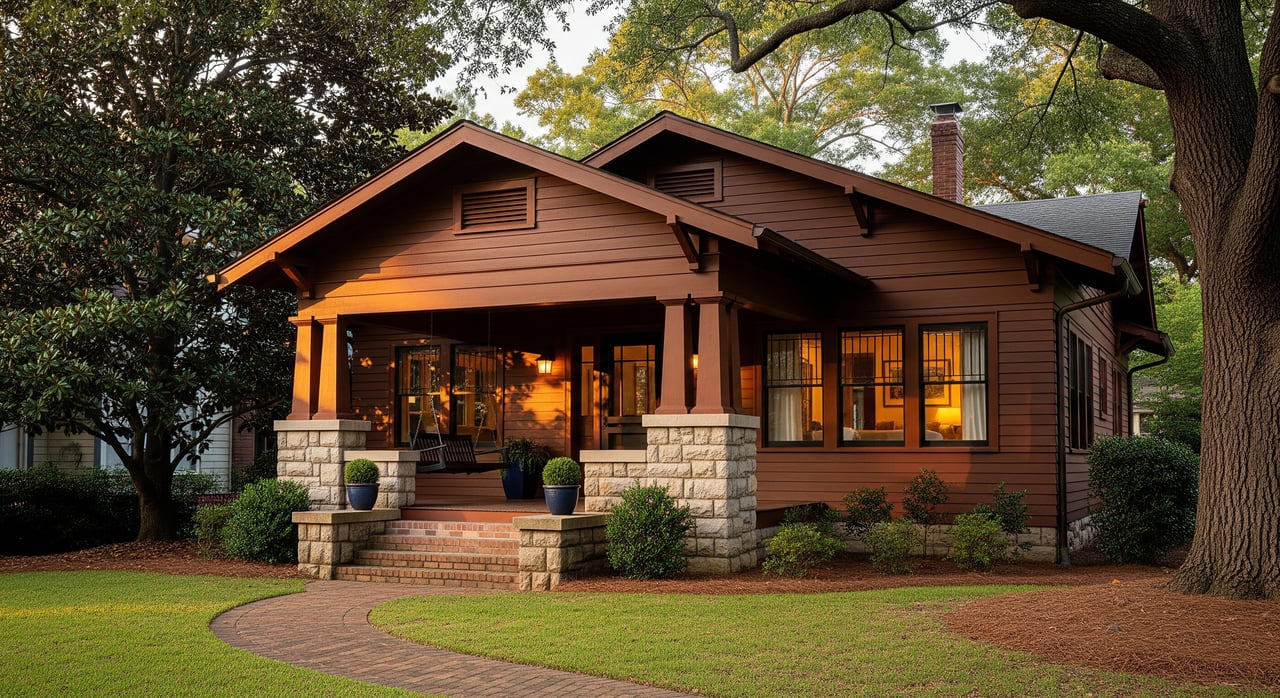
Dreaming of a cozy front porch, tree-lined streets, and a home with character that feels like it belongs in Decatur? You are not alone. Many buyers fall in love with the charm and walkability that bungalows and Craftsman homes offer here. In this guide, you will learn where to find these homes, what features to expect, how to plan for inspections and renovations, and the best way to position your offer.
Let’s dive in.
Why Decatur bungalows fit your life
If you value walkability, transit access, and authentic architecture, Decatur is a strong fit. Many early 20th-century homes sit close to the street with generous front porches, which encourages a welcoming porch culture and easy everyday connections. You will also find access to MARTA and nearby highways for commuters, plus a vibrant downtown around Decatur Square.
These homes appeal to first-time buyers who want character and convenience, as well as move-up buyers who appreciate a blend of original details and practical updates. Decatur often trades at a premium compared with outlying DeKalb neighborhoods because of its amenities and services. Within intown Atlanta, some neighborhoods can price above Decatur overall, while adjacent areas like Avondale Estates or Druid Hills may be similar or sometimes higher depending on the street.
Where to find them in Decatur
Oakhurst
Oakhurst is well known for streets of early bungalows and small-lot Craftsman cottages. You will see inviting porches and compact footprints, often within a short hop to parks and local businesses.
Winnona Park
Winnona Park includes many early 1900s homes and leafy blocks. Parts of the neighborhood sit within a local historic district, so you should confirm rules for any exterior changes before you buy.
Near Decatur Square
Older homes also sit within walking distance of the Square. If you want a bungalow lifestyle close to shops and restaurants, start your search here.
North Decatur and South Candler pockets
You will find scattered historic bungalows in smaller pockets north of the city center and along South Candler. Inventory is limited, so speed and preparation matter.
Nearby comparators
For context, adjacent communities such as Avondale Estates and Druid Hills, along with intown Atlanta spots like Inman Park and Virginia‑Highland, offer similar-era homes. These are separate jurisdictions, but they are useful for understanding style, amenities, and relative pricing.
What defines a bungalow or Craftsman
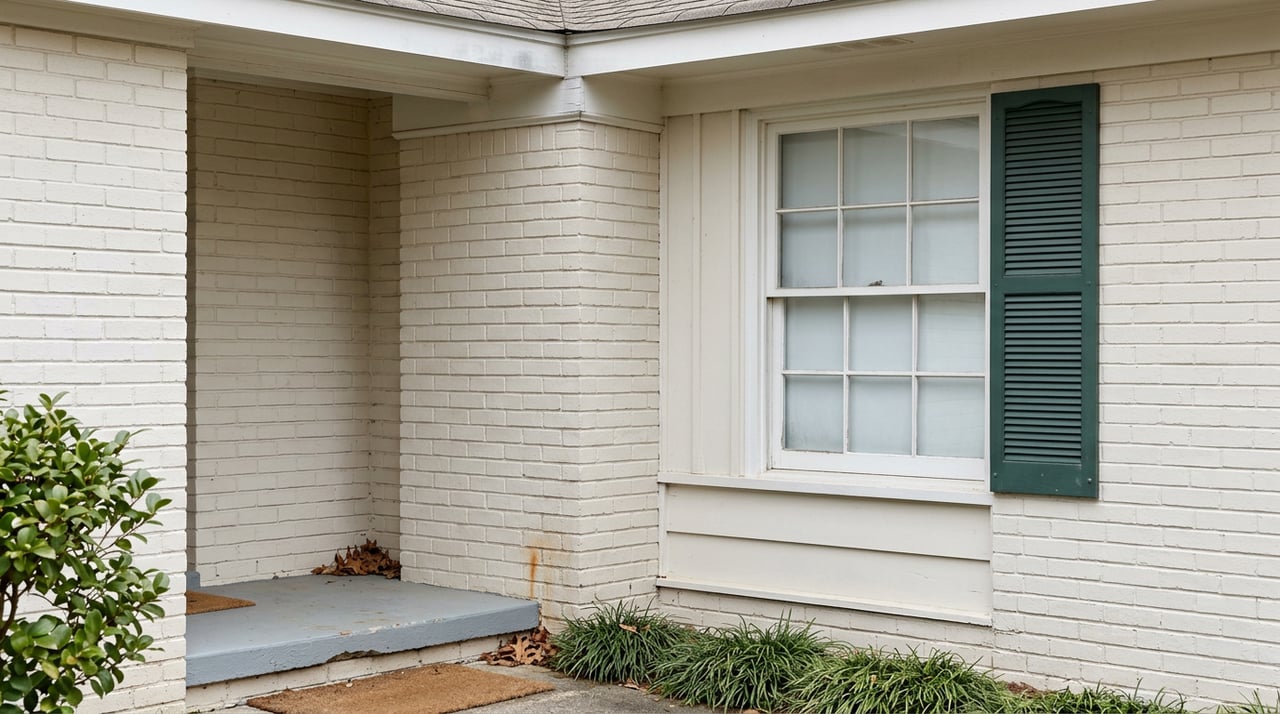
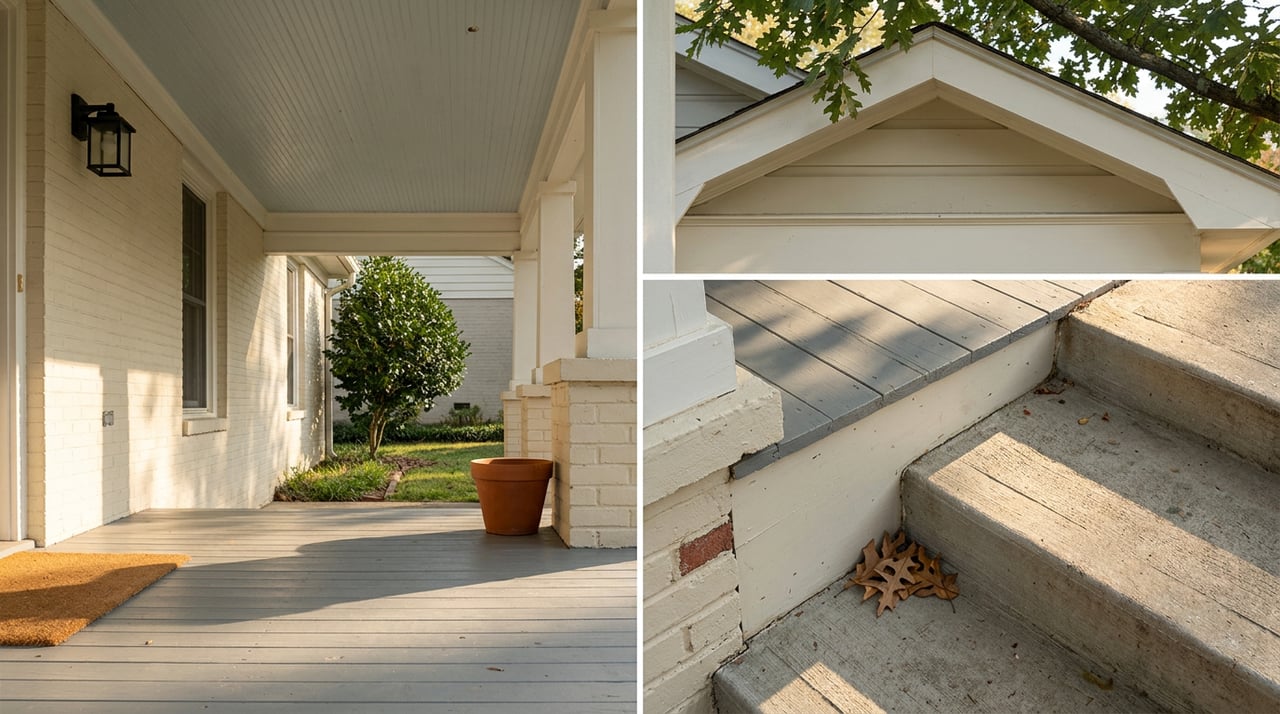
Most authentic Decatur examples were built between roughly 1905 and 1935. The classic look includes low-pitched gabled or hipped roofs, wide eaves with exposed rafters, and deep front porches supported by tapered or square columns set on brick or stone piers. Natural materials are common, including wood siding and occasional stucco. Many 1½‑story homes include dormers and original double-hung windows, often with multi-pane upper sashes.
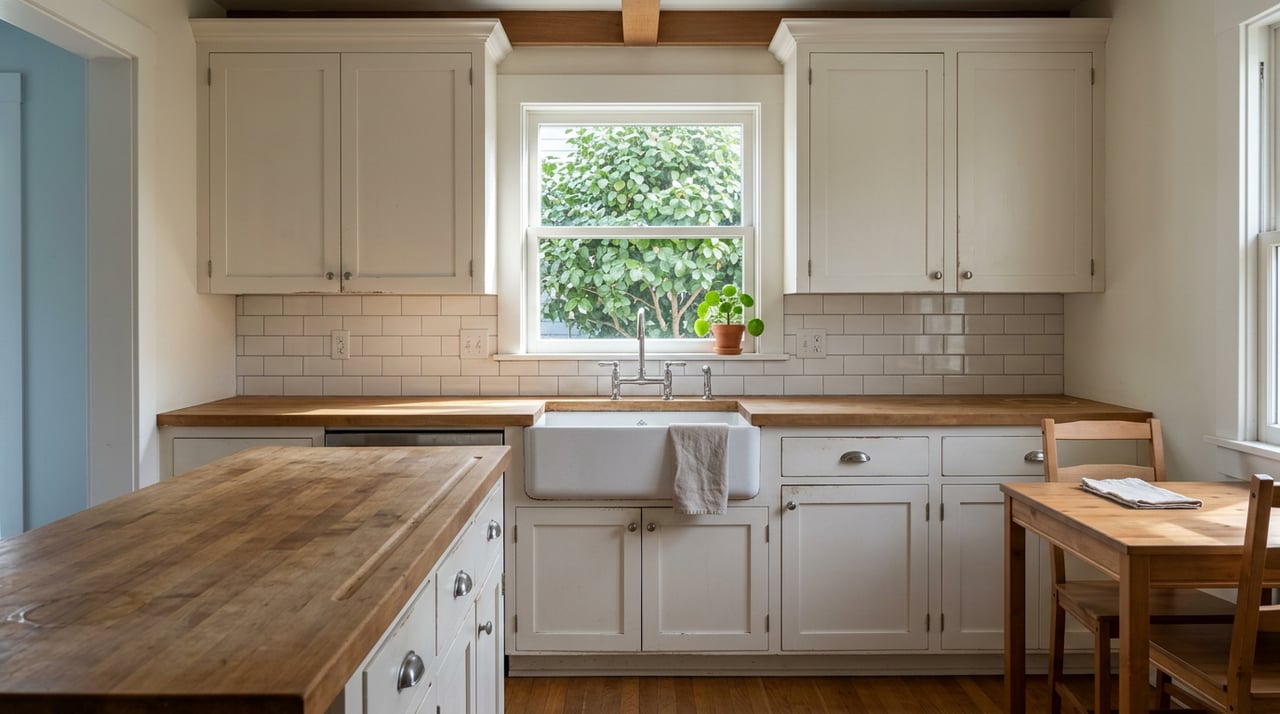
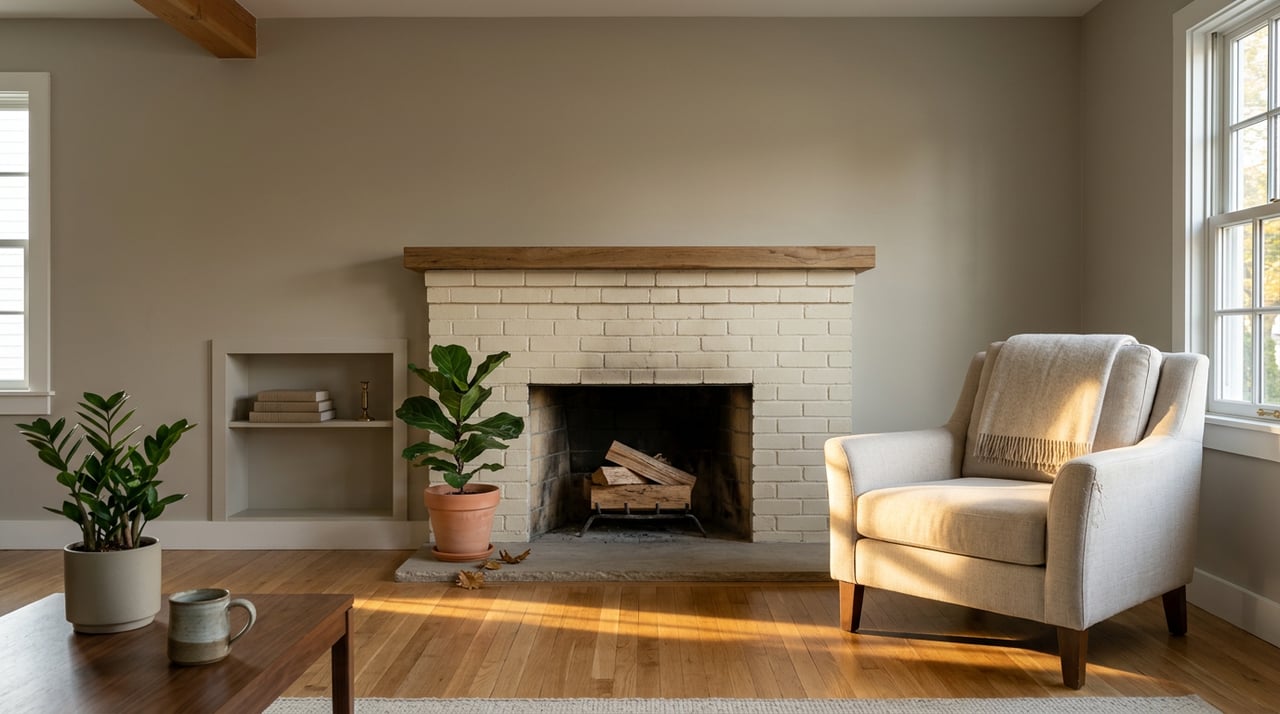
Inside, layouts tend to be compact, typically 800 to 1,600 square feet for traditional bungalows, though sizes vary. The living room often flows to a dining area, with a fireplace and built-ins like bookcases or window seats. Kitchens were originally small and closed, and many owners have opened them to adjacent rooms or completed full remodels. Expect 2 to 3 bedrooms on the main level, with some homes gaining extra space through attic conversions where structure allows.
Under the surface, systems reflect the era. Older wiring may be cloth-insulated or knob-and-tube in the oldest homes. Plumbing could be galvanized steel or early copper. Many homes began life with little insulation, so you may see uninsulated attics and minimal wall insulation. Roofs are often on their second or third replacement, and original shapes with dormers can make reroofing more complex.
What to expect on inspections
Older homes reward careful due diligence. A general home inspection is a must, and it helps to choose an inspector who works frequently with early-1900s construction.
Specialty inspections to add
- Sewer line camera scope to assess older lateral lines.
- Termite and pest inspection, common in Georgia.
- Chimney and fireplace evaluation if present.
- Electrical review to check panel capacity and identify older wiring.
- Plumbing check for galvanized piping or other aging materials.
- Foundation and structural assessment for sagging floors, pier and beam rot, and crawlspace moisture.
- Mold or indoor air quality testing if you notice odors or dampness.
Common red flags
- Moisture or drainage issues such as poor grading, missing gutters, or wet crawlspaces that can lead to rot and foundation damage.
- Older electrical service, like 60-amp panels, or lack of dedicated kitchen circuits.
- Deteriorated exterior trim, porch structures, or historic windows that need repair.
- Lead paint in pre-1978 homes and possible asbestos in some older materials.
- Roof leaks around dormers and chimneys due to flashing failures.
Budgeting and renovation priorities
For character homes, it helps to establish two budget buckets. First, set aside funds for immediate safety and structural needs like electrical hazards, plumbing leaks, or foundation concerns. Second, plan for comfort and value upgrades such as kitchen and bath improvements once the basics are sound.
Typical cost ranges to expect
Costs vary by scope, finish level, and contractor availability. Always verify with Decatur or DeKalb-area contractors.
- Electrical panel upgrade or partial rewire: $3,000 to $15,000+.
- Full house rewire: $8,000 to $30,000+.
- Plumbing re-pipe: $6,000 to $25,000+.
- Roof replacement with asphalt shingles: $5,000 to $15,000+ depending on complexity.
- HVAC replacement: $4,000 to $12,000+.
- Foundation repairs: from a few thousand to tens of thousands, get multiple opinions.
- Kitchen remodel: $20,000 to $60,000+.
- Bathroom remodel: $8,000 to $30,000+.
- Window strategy: restoration can be cost-effective depending on condition; new windows typically $500 to $1,200 each installed.
- Crawlspace encapsulation or insulation: $2,000 to $10,000.
What to tackle first
- Safety and code items such as electrical hazards, severe leaks, or structural failures.
- Weatherproofing the exterior, including roofing, flashing, gutters, and trim.
- Moisture control through grading, downspouts, and crawlspace ventilation or encapsulation.
- HVAC and basic insulation for comfort and operating costs.
- Kitchen and bath improvements for daily use and long-term resale.
A good rule of thumb is to build a renovation contingency of 10 to 20 percent of your renovation budget. If you plan to buy as is, have several thousand dollars set aside for unexpected items.
Comfort and efficiency upgrades that work
You can improve comfort without losing character. Common upgrades include adding attic insulation and air sealing, sealing ducts or using ductless mini-splits in targeted rooms, and restoring original wood windows with weatherstripping or adding storm windows. Encapsulating or insulating the crawlspace can also make a noticeable difference.
Historic districts and permits
Some Decatur neighborhoods, including parts of Winnona Park, are within locally designated historic districts. If you purchase in a district, you will likely need a Certificate of Appropriateness for exterior work visible from the street. The City of Decatur has a Historic Preservation Commission that reviews these applications.
For properties inside city limits, building permits and inspections for structural, electrical, plumbing, and mechanical work go through the City of Decatur. Homes in unincorporated DeKalb County follow county permitting. Always verify the property’s permit history and ask for seller disclosures. Unpermitted additions or system replacements can be costly to correct.
Also, do not assume federal historic tax credits apply to a primary residence. Programs change, so check current federal and state homeowner incentives and confirm any local tax assessment policies with the appropriate offices.
How to shop and negotiate smart
Pre-offer steps
- Visit at different times of day to observe drainage, rooflines, light, and activity.
- Line up specialty inspections for due diligence.
- Build a realistic repair and renovation budget into your offer.
Negotiation considerations
If inspection reveals major system issues, consider asking for a price reduction, seller credits, or completed repairs by licensed contractors with permits. For homes in historic districts, confirm what exterior changes are allowed so you do not overpay for a plan you cannot execute.
Financing and insurance
Check with your lender about loan requirements if parts of the home are in poor condition, since some items may need repair before closing. Obtain homeowner’s insurance quotes early, as roof age or system issues can affect premiums.
Plan for the long term
If you plan to expand, confirm zoning limits, lot coverage, and setback requirements, and understand any historic review needs before you buy. Sequence your work: handle structural and safety items first, then weatherproofing, then mechanical systems and insulation, and finally the finish updates.
Decatur vs other intown markets
Demand for Decatur bungalows remains strong because of walkability, access to MARTA, and classic architecture. Decatur tends to sell at a premium compared with many outlying DeKalb areas due to city services and downtown amenities. In the broader intown market, places like Inman Park, Virginia‑Highland, and Candler Park can trade higher overall, while nearby Avondale Estates or Druid Hills can be similar or sometimes higher based on street and lot. If you modernize a home while keeping original character, you are more likely to protect value over time.
Your next step
If you are ready to explore Decatur bungalows, you deserve a calm, hands-on guide who knows the streets, understands the renovation math, and can help you compete. Reach out to schedule a quick plan, from search setup and showings to inspections, negotiation strategy, and local contractor referrals.
Connect with Angela Eschbach to schedule a free consultation.
FAQs
What should Decatur bungalow buyers inspect first?
- Start with a general home inspection, then add sewer scope, pest, electrical, plumbing, structural, and chimney checks based on the home’s age and condition.
How old are most Decatur bungalows and Craftsman homes?
- Many authentic examples date from roughly 1905 to 1935, with original details alongside decades of partial modernization.
What renovation costs are typical for older Decatur homes?
- Budgets vary, but common ranges include $3,000 to $15,000+ for electrical panel upgrades, $8,000 to $30,000+ for a full rewire, and $20,000 to $60,000+ for a kitchen remodel.
Are permits and historic approvals needed in Decatur?
- Yes, within city limits you will use City of Decatur permitting. In local historic districts, exterior changes visible from the street usually require a Certificate of Appropriateness.
How do Decatur prices compare to other intown areas?
- Decatur often carries a premium over many outlying DeKalb neighborhoods. Some intown Atlanta neighborhoods can trade higher, while nearby Avondale Estates or Druid Hills may be similar or sometimes higher depending on location.