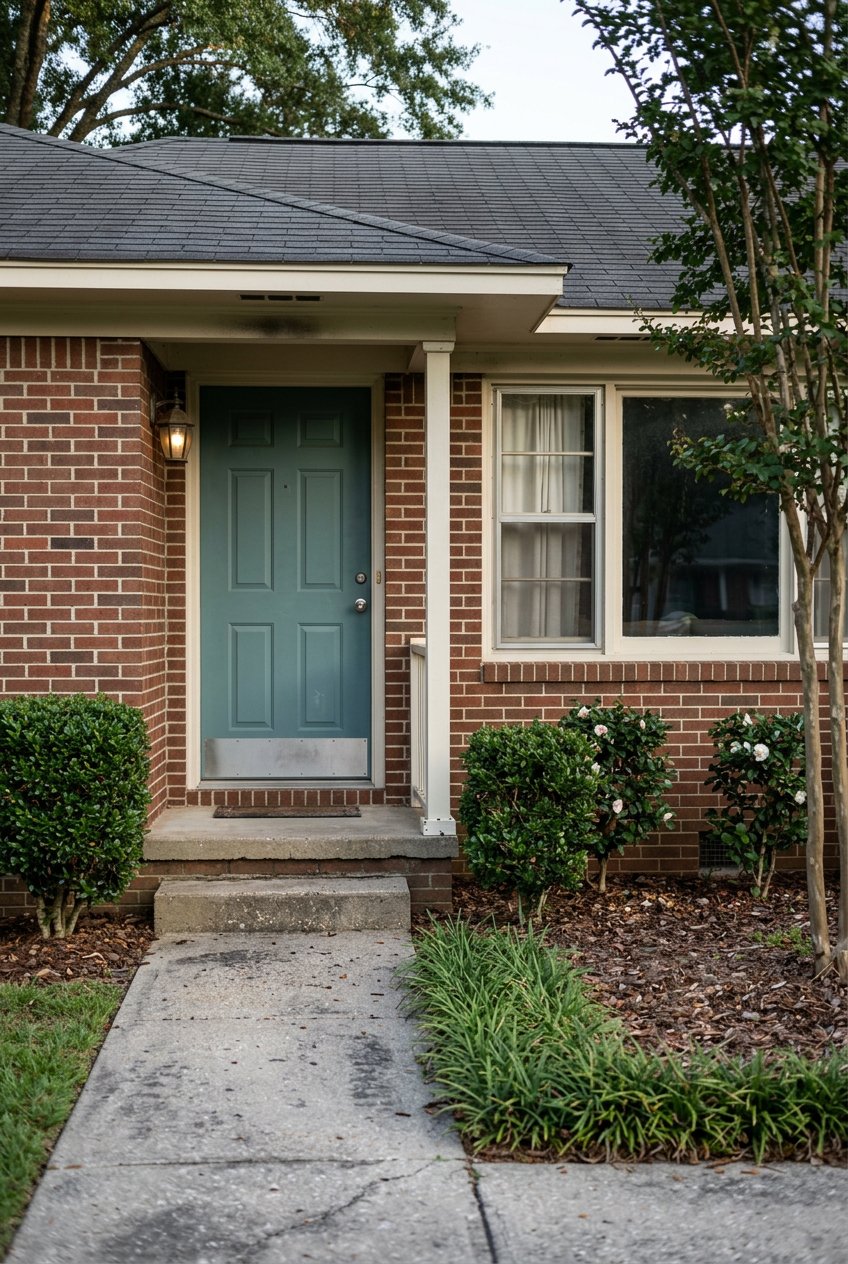
If you love old-home character and value, a fixer-upper in Avondale Estates can be a smart move. The city’s historic charm draws you in, but the renovation rules, permits, and unknown repairs can feel overwhelming. This guide breaks it down so you can spot good bones, budget with confidence, and move through approvals without delays. Let’s dive in.
Why Avondale Estates stands out
Avondale Estates is a planned early‑20th‑century community with many homes from the 1920s to 1940s. Much of the city sits within a Local Historic District with design guidelines that shape exterior work. That character is part of the appeal, and it also affects timelines, materials, and cost.
The city’s Historic Preservation Commission (HPC) reviews most visible exterior changes. Before you buy, review the city’s overview of historic preservation and design guidelines so you know what is likely to be approved and what is not. You can start with the city’s page on Historic Preservation and HPC design guidelines.
What to inspect before you buy
Older homes can be wonderful, but they deserve a deeper look. Order a standard home inspection, then add targeted specialist checks if the generalist flags issues. Use these priorities to guide your due diligence.
Structure and roof
- Structure and foundation. If you see big cracks, a leaning chimney, or spongy floors, get a structural engineer’s review. Repairs here can drive the budget fast.
- Roof and attic. Many older roofs are near end of life. Typical asphalt shingle replacement in Georgia often falls in the low to mid five figures depending on size and complexity. For context, see this Georgia roof cost guide from This Old House.
Electrical, plumbing, HVAC
- Electrical. Watch for knob‑and‑tube or older cloth wiring, overloaded circuits, or a small panel. A 200‑amp electrical service upgrade in Atlanta commonly ranges in the low thousands depending on site conditions. Get a local quote and compare it to regional examples from Project Cost Atlas.
- Plumbing and sewer. Galvanized pipes and cast‑iron stacks are common in older homes. A sewer camera scope is low cost compared to potential repairs. Plan for possible repiping or line repair if defects are found.
- HVAC. Check system age, ductwork, and sizing. Replacements in Georgia vary widely by system and home size. See typical ranges in the state from HVAC.com.
Pests and environmental hazards
- Termites. Georgia has active subterranean termite pressure. An inspection is a must. Learn why from UGA Extension’s overview of subterranean termites.
- Lead, asbestos, and radon. Homes built before 1978 may have lead‑based paint. Federal law requires a lead disclosure and gives you a 10‑day testing opportunity unless you waive it. Review the EPA’s lead disclosure guidance for real estate. Ask your inspector about asbestos testing when materials warrant it. The EPA recommends radon testing in all homes.
Quick red flags that deserve follow‑ups
- Active leaks or standing water in a crawl space or basement
- Large horizontal foundation cracks or a leaning chimney
- Widespread soft floors
- Knob‑and‑tube wiring or many ungrounded outlets
- Visible termite tubes or damaged wood
- Flaking paint on pre‑1978 homes without a lead plan
If you see any of these, bring in the right specialist before you remove inspection contingencies.
Budget and project priorities that add value
Your first dollars should protect the home and make it safe and comfortable. Then you can focus on updates that boost resale value.
High‑priority must‑dos
- Roof and structural stabilization. Stop water first. Roof failure drives much larger repair cascades. See Georgia roof cost context from This Old House.
- Electrical safety and service capacity. A 200‑amp upgrade supports modern living and helps with insurance. Typical Atlanta upgrade costs are often in the low thousands per Project Cost Atlas.
- HVAC. Comfort and operating cost matter. Typical Georgia ranges are summarized by HVAC.com.
- Drainage and moisture control. Gutters, grading, and French drains are modest line items that protect your foundation.
Strong perceived‑value updates
- Kitchens and bathrooms. In the Atlanta market, minor kitchen remodels and midrange bath updates often recoup a higher share of cost than luxury gut jobs. Review regional returns in Remodeling’s Cost vs. Value report for Atlanta/South Atlantic projects.
Watch your spend
- Very large additions, pools, or high‑end custom finishes may not match neighborhood price points at resale. Cost vs. Value data shows curb appeal and modest kitchen and bath work tend to score better than luxury overspend in this region. See the same Atlanta/South Atlantic report.
Planning numbers to start the conversation
Actual bids from local contractors are the only way to build a real budget, but these regional ranges can help you screen homes and plan offers:
- Roof replacement, asphalt shingles: about $8,000 to $15,000 for many typical homes depending on size and complexity. See Georgia context from Fixr.
- Electrical panel upgrade to 200 amps: about $1,500 to $4,000 depending on site. Reference Project Cost Atlas.
- Full HVAC replacement: often $4,000 to $14,000 depending on system and scope. See HVAC.com’s Georgia overview.
- Minor kitchen refresh: often $20,000 to $40,000. ROI tends to be stronger than luxury full‑guts per Cost vs. Value Atlanta data.
- Midrange bath remodel: often $12,000 to $30,000 in this region, with partial cost recouped at resale per Cost vs. Value.
Plan a contingency of 10 to 25 percent of your renovation budget to handle surprises. Many renovation mortgages require contingency reserves. See Fannie Mae’s guidance on renovation mortgage loans and contingency rules.
Rules, permits, and the historic district
If your home is inside the Local Historic District, the HPC reviews most exterior changes. That includes additions, demolitions, new construction, window and door changes, and other visible work. Some small projects may qualify for an expedited review, but you still need the right approvals. Start with the city’s Historic Preservation and HPC page.
HPC approval is typically separate from your building permit. After design approval, the city reviews building plans for code and safety. Review the city’s Residential Building Permit Application Packet to understand required forms, contractor affidavits, inspection scheduling, and permit timelines. If you are upgrading plumbing, electrical, or HVAC, make sure your contractors are licensed and pull the appropriate trade permits.
If you plan a qualifying rehabilitation, Georgia and federal programs may offer historic rehab incentives. Rules vary by property type and use. Start your research with this overview of state and federal historic tax credit programs, then confirm eligibility with the Georgia Historic Preservation Division.
Financing your fixer‑upper
Renovation mortgages let you buy and renovate with one loan. Each program has its own rules, timelines, and documentation.
- FHA 203(k). Good for lower down payments and broad scopes. Standard 203(k) covers structural work and often requires a 203(k) consultant. Review HUD’s 203(k) consumer fact sheet.
- Fannie Mae HomeStyle Renovation. Conventional loan option that finances purchase and improvements together. Learn more from Fannie Mae’s HomeStyle overview.
- Freddie Mac CHOICERenovation. Another conventional path with options for different project sizes. See Freddie Mac’s CHOICERenovation program.
Expect to provide contractor bids, a detailed scope, and a draw schedule. Many lenders require licensed contractors and will hold contingency funds in escrow. See Fannie Mae’s renovation loan servicing guidance for how reserves and inspections work.
Step‑by‑step process and a sample timeline
Follow this sequence to reduce risk and keep your project moving.
Confirm historic status and rules. Check if the home is inside the Local Historic District and whether your plans will need HPC review. Start with Avondale’s HPC resources.
Do a pre‑offer walk‑through. Tour with your agent and, if possible, a home inspector. Flag roof age, leaks, structure, electrical, HVAC, and signs of termites. Ask for any maintenance records and past permits.
Write an offer with smart contingencies. During your window, order specialist inspections: structural engineer if needed, WDI termite letter, sewer camera, electrician, plumber, radon test, and lead or asbestos testing for older homes. The EPA’s lead disclosure rules give you a 10‑day testing option for pre‑1978 homes unless you waive it.
Get bids and choose financing. Obtain two to three licensed contractor bids for your top‑priority scope. If you are using a renovation loan, your lender will need these to underwrite the after‑renovation value. See HUD’s 203(k) fact sheet for a good overview of process.
Submit for approvals. If required, apply to the HPC for a Certificate of Appropriateness, then submit building permits. Review the city’s permit packet to understand timing and inspections.
Close and build. Schedule inspections, draw on renovation funds as milestones are met, and keep detailed records. Plan for punch‑list time at the end.
Typical timing examples:
- Specialist inspections: 1 to 2 weeks
- Contractor bidding: 1 to 4 weeks
- HPC review and permit plan review: 2 to 8 weeks depending on scope and meeting cycles
- Partial renovations: 4 to 12 weeks; whole‑house projects: several months to a year or more
Design tips that work with the HPC
- Match visible materials and profiles. Windows, doors, and siding seen from the street often must align with the home’s era. Review the city’s HPC guidelines early so you can spec items that are likely to be approved.
- Prioritize character‑friendly fixes. Restore front porches, repair original brick or stone, and choose roofing and paint colors that suit the home’s style.
- Keep additions compatible. Scale and placement matter. A well‑designed addition can pass HPC review and add living space without hurting curb appeal.
Common pitfalls to avoid
- Waiving key inspections. Skipping a sewer scope or termite inspection can be costly in this region. The UGA termite guide explains why.
- Underbudgeting contingency. Set aside 10 to 25 percent for surprises. Many lenders require it per Fannie Mae renovation loan guidance.
- Choosing materials that will not pass HPC. Confirm exterior selections before you finalize bids.
- Ignoring drainage. A few hundred or thousand dollars in grading and gutters can save your foundation and floors.
- Not confirming insurance. Some carriers require proof of updates or permits. Ask early.
Ready to chase the right kind of project and skip the money pits? Let’s talk through your wish list, budget, and the HPC path so you can buy with confidence in Avondale Estates. Reach out to Angela Eschbach to schedule a free consultation.
FAQs
Is it harder to get a mortgage for a fixer‑upper in Avondale Estates?
- Not necessarily. Renovation mortgages like FHA 203(k), Fannie Mae HomeStyle, and Freddie Mac CHOICERenovation allow you to finance the purchase and rehab together, but they require clear scopes, licensed contractors in many cases, and inspections during the work. See HUD’s 203(k) overview, Fannie Mae’s HomeStyle, and Freddie Mac’s CHOICERenovation.
Will historic‑district rules block needed updates to older homes?
- The HPC regulates visible exterior changes, but many functional upgrades are allowed with proper approvals. Early contact with the city’s HPC resources helps you choose designs and materials that meet guidelines.
What renovations give the best value in the Atlanta area?
- Prioritize safety, weatherproofing, and major systems first, then focus on minor kitchen refreshes, midrange bath updates, and curb appeal projects that often recoup well in the Atlanta/South Atlantic Cost vs. Value report.
How much contingency should I plan for a fixer‑upper budget?
- A common practice is 10 to 25 percent of your renovation budget, and many renovation loans require contingency reserves per Fannie Mae’s renovation loan guidance.
How long does the process take from offer to move‑in?
- Expect 1 to 2 weeks for inspections, 1 to 4 weeks for bidding, 2 to 8 weeks for HPC and permit review depending on scope, and then 1 to 12 months for construction depending on whether you do partial updates or a whole‑house rehab.