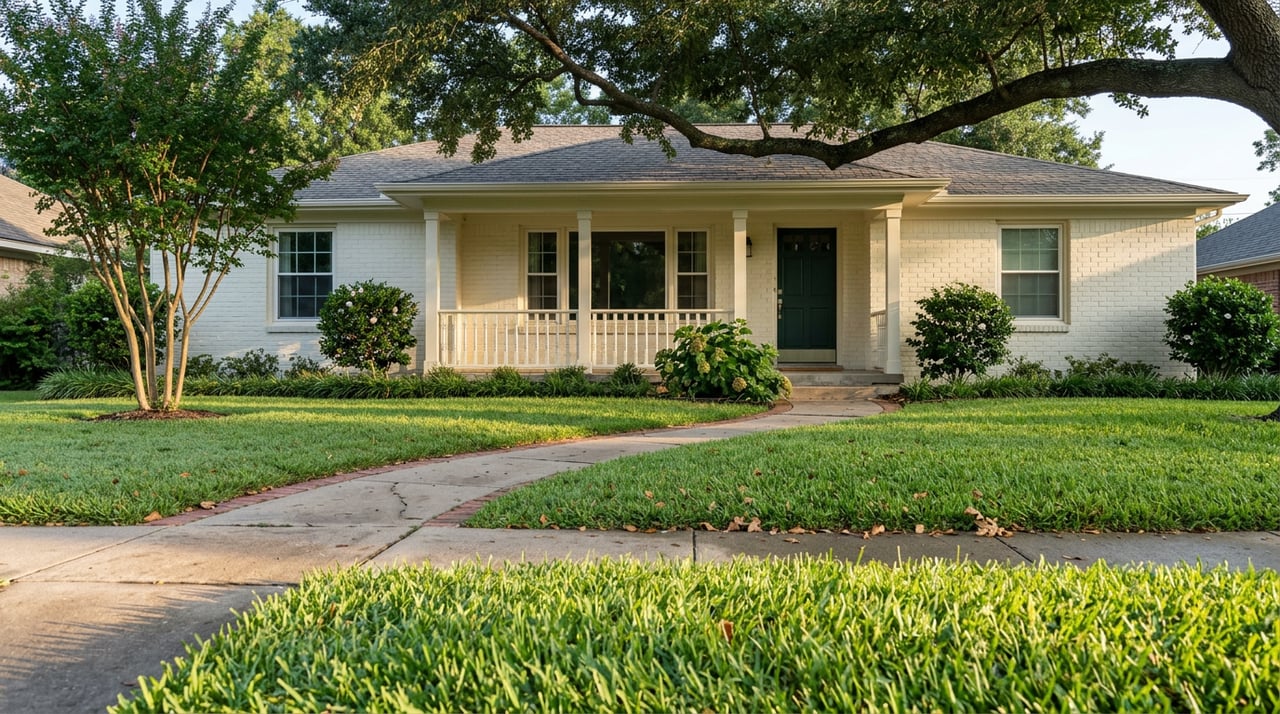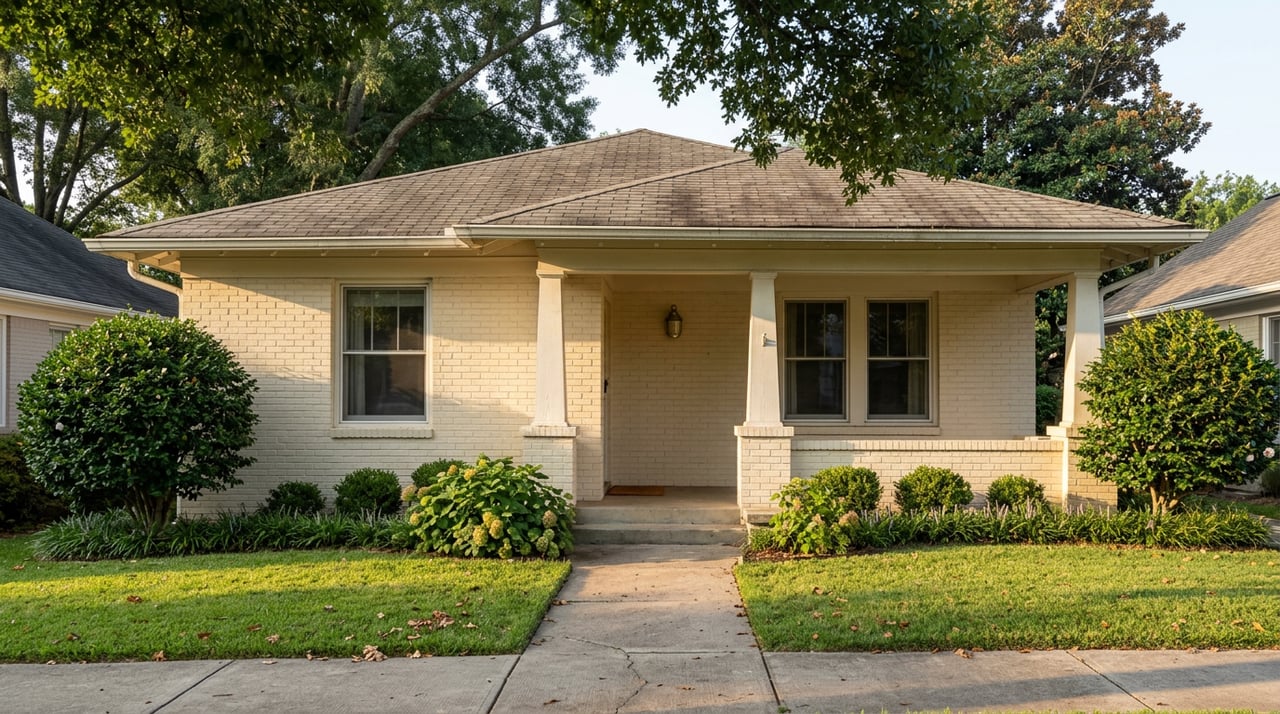
Say you're four days from your inspection deadline on a Craftsman bungalow near the park. You've done your homework. You confirmed the house sits inside the Grant Park Historic District, checked that no additions had gone in without city sign-off, and felt reassured that a hundred-year-old house in a protected district must have been looked after. Then the inspector's report comes back, and the real issue has nothing to do with the porch, the roofline, or anything the historic district process ever reviewed. It's the wiring in the attic, or a sewer line that's been quietly bellying under the backyard for two decades.
This is the gap nobody explains clearly enough before you're already under contract. Grant Park's historic designation, which the City of Atlanta made official on April 11, 2000, is a real and detailed set of rules. But it was built to protect what a passerby can see. What actually derails a Grant Park closing tends to live somewhere the review board never looks.
What the Review Board Actually Checks
Grant Park is one of several Atlanta landmark districts, alongside Inman Park, Druid Hills, Ansley Park, and Virginia-Highland, where exterior work requires a Certificate of Appropriateness from the city's Urban Design Commission. The Commission is made up of eleven city residents with required professional backgrounds, and it meets twice a month at 4:00 p.m. to rule on applications.
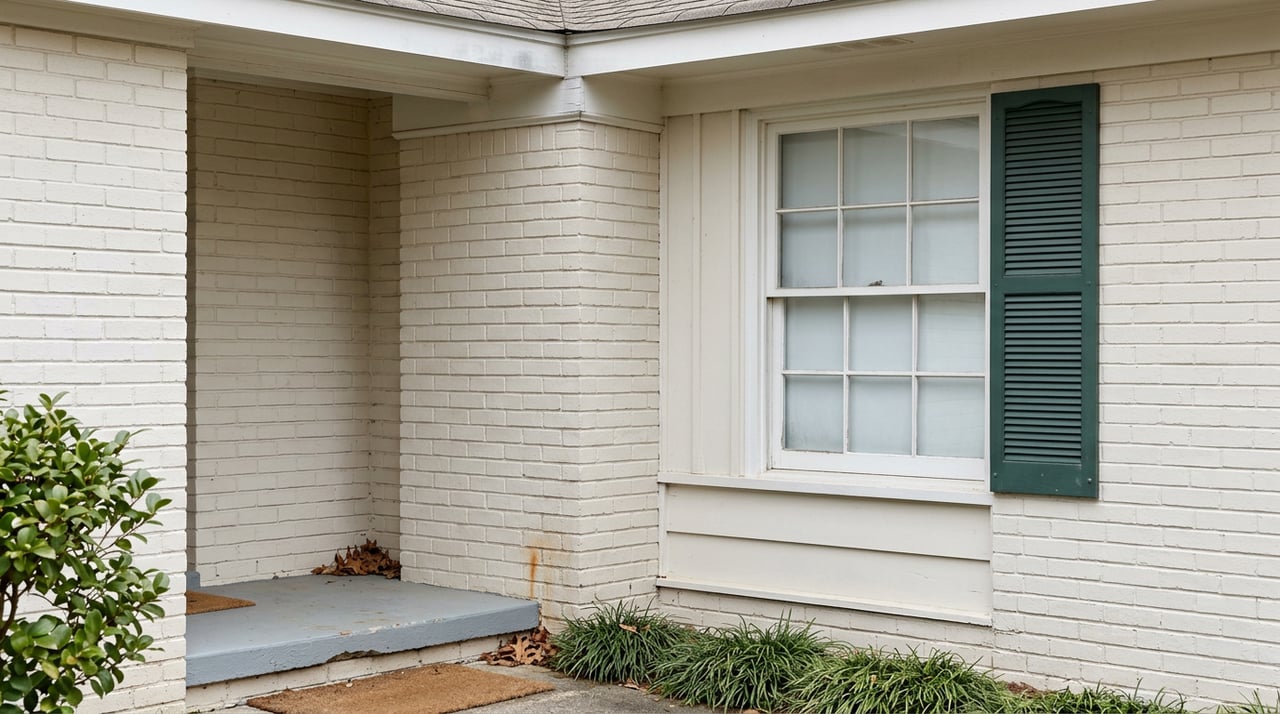
The rules it enforces, found in Chapter 20K of the city's zoning ordinance, are specific down to the inch. Front porches on the main structure have to be at least a third of the facade's width and seven feet deep. Side porches need a minimum of four feet. Siding is prohibited outright, chimneys have to be brick, stone, or architectural masonry, and roof pitch above the front facade can't go below 6 in 12. Garage entrances are barred from the front of the house entirely, and decks are only allowed at the rear. Even something as small as an independent driveway in the front yard gets capped at ten feet wide.
None of that is decorative red tape. It's the reason Grant Park still reads the way it did when the park itself was Atlanta's first, back in the late 1800s. But read that list again and notice what's missing. There's nothing in there about what's behind the walls or under the yard.
| Historic district review covers | Historic district review does not cover |
|---|---|
| Porch depth and width, roof pitch, chimney material | Sewer laterals and underground plumbing |
| Siding, window replacement, garage placement | Electrical wiring, panel capacity, grounding |
| New construction massing and height | Foundation, crawlspace moisture, HVAC condition |
What It Was Never Built to Check
Most Grant Park housing dates to the late 1800s through the early 1900s, a mix of Victorian, Folk Victorian, and Craftsman bungalow stock. Two systems in that era of construction come up again and again once an inspector actually opens a panel or runs a camera down a cleanout.
The first is the sewer lateral. Homes built before the 1970s in Fulton and DeKalb counties typically ran vitrified clay pipe from the house to the street. Clay is brittle, and over sixty to a hundred years the joints separate and the pipe develops sags, called bellies, where soil shifts have pulled a section below grade. A camera inspection is the only reliable way to see this before closing, since none of it is visible from a standard walkthrough. If the line shows an Orangeburg section, a material used briefly in the mid-20th century, replacement isn't a question of if but when. Sewer line replacement in the Atlanta metro runs roughly $3,500 to $23,000 or more depending on length, depth, and whether the contractor can use trenchless methods instead of a full excavation, and it still requires its own plumbing permit and a call to Georgia 811 before anyone digs.
The second is knob-and-tube wiring, the standard residential system from the late 1880s through the early 1940s. If a Grant Park home was built before 1945 and hasn't been documented as rewired, the safe assumption is that some of it is still there. Signs to look for during a walkthrough include:
- Porcelain knobs or tubes visible in the attic, basement, or crawlspace
- Two-prong outlets throughout, which signal there's no grounding system
- Round, push-button light switches
- Cloth-covered wiring at any exposed point, sometimes dark or crumbling
This matters at closing for a reason that has nothing to do with the historic district: insurance. Most major carriers in Georgia won't write a standard policy on a home with active knob-and-tube, and some will decline to renew a policy if it's discovered later. A handful of carriers will insure it, but at a higher premium. A full rewire on an older Atlanta home generally takes three to five days of on-site work, plus time for the required electrical permit and inspection. None of that runs through the Urban Design Commission. It runs through the standard permitting office, on its own timeline, unrelated to whatever your COA status says.
The Exemption That's Narrower Than It Sounds
Buyers planning to fix things up after closing sometimes assume small repairs are automatically exempt from review. There is a narrow carve-out: certain lawful repair work under $2,500 on historic district property may not need a Certificate of Appropriateness or a building permit. But this exemption is easy to misread. Exterior work in a historic district often doesn't follow the general permit-scope exemptions that apply elsewhere in the city, so a repair that would be permit-free on a house in an unregulated neighborhood can still trigger review here. The only way to know for certain is to confirm the exact scope with city planning staff before assuming anything is exempt, and to check the property's designation status through the city's own GIS tools rather than guessing from the street.
Why the Timing Favors Careful Buyers Right Now
Grant Park's median sale price across all home types reached $576,303 in July 2026, up 13 percent from a year earlier. That kind of appreciation sounds like a market where buyers have no room to ask for anything. But the pace tells a different story. As of late July 2026, Grant Park carried a market temperature of 48 out of 100, described as moderately competitive rather than a bidding-war environment, with homes taking a median of 63 days to go under contract. Rising prices and a moderate pace can coexist, and that combination matters specifically at inspection. A seller in a 63-day market still has real incentive to negotiate a repair credit rather than relist and start the clock over, especially on something as expensive to ignore as a sewer lateral or an uninsurable electrical system. Unpermitted electrical work in particular creates liability at resale and can void insurance coverage in the event of a fire, so a documentation gap you find at inspection today is the same gap the next buyer will find when you sell.
Before You Write the Offer
A few habits catch what the historic district review structurally cannot:
- Order a sewer scope inspection regardless of how updated the interior looks. A renovated kitchen tells you nothing about what's under the driveway.
- Ask directly whether the electrical system has been fully rewired, and ask for permit documentation rather than a verbal assurance.
- Confirm the parcel's historic designation and any applicable overlay through the city's own property records before budgeting for exterior changes, since assumptions here are where renovation budgets go wrong.
- If knob-and-tube is confirmed, get an insurance quote before you close, not after. Some buyers have found out at underwriting that the policy they assumed they'd get isn't the one they're offered.
A Few Common Questions
Does every house in Grant Park need a Certificate of Appropriateness for repairs? Only exterior work on properties within the designated historic district, and only above the narrow repair-cost exemption. Interior work that touches structure or systems still needs standard building permits, separate from any COA.
Do all the older homes here have knob-and-tube wiring? Not necessarily, since many have been partially or fully rewired over the decades. But if a home was built before 1945 and there's no documentation of a rewire, it's worth having a licensed electrician check before you assume otherwise.
Will my insurance company automatically decline a house with old wiring? Not automatically, but many major carriers in Georgia will require remediation before issuing a standard policy, and some limit coverage options for homes with active knob-and-tube still in place. Getting a quote before closing avoids a surprise at the last step.
Grant Park rewards buyers and sellers who look past the porch and the roofline to the systems nobody's regulating. If you're weighing an offer here, or getting a Grant Park listing ready to go on the market, Angela Eschbach can walk through what a specific property's inspection and insurance picture actually looks like before you're locked into a deadline. Schedule a free consultation to start that conversation early, while there's still time to act on what you find.